
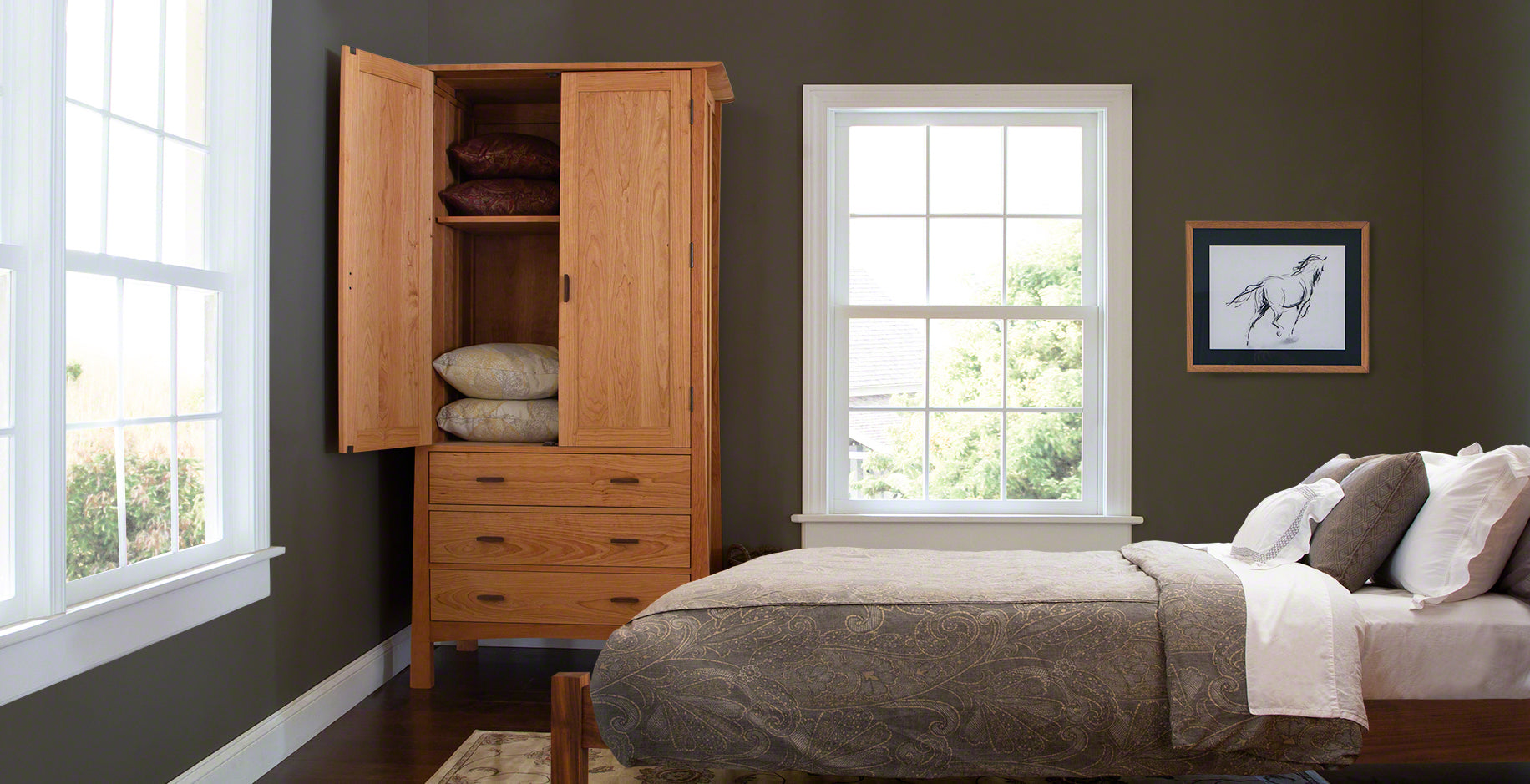
In an age of minimalism and modern design, it may seem counterintuitive that a piece of furniture as large and ornate as the armoire is experiencing a resurgence. Yet, scroll through any home design blog, Instagram feed, or furniture showroom and you’ll spot it: tall, stately, and often featuring carved wood details, the armoire is back—and in a big way.
This comeback isn’t just about nostalgia. It reflects a broader shift in how people are choosing to furnish their homes. After years of pared-down aesthetics—think white walls, Scandinavian lines, and hidden storage—there’s a growing desire for warmth, character, and uniqueness. And few furniture pieces deliver those qualities like a well-crafted armoire.
The Rise of Personal Style Over Uniform Trends
One of the biggest shifts in interior design over the past few years is the movement away from cookie-cutter minimalism. While clean, uncluttered spaces once reigned supreme, many homeowners and renters are now leaning into more personal, eclectic design. Vintage and antique pieces are finding new life alongside modern sofas and contemporary art. This blend of old and new creates interiors that tell a story, and the armoire—often rich with history and craftsmanship—is a perfect vehicle for that storytelling.
Designers note that clients are increasingly drawn to one-of-a-kind pieces that reflect their personalities rather than fitting a rigid aesthetic. The armoire fits into this ethos perfectly. Whether it’s a mid-century French piece with brass inlays or a rugged, hand-carved Indian cabinet, each armoire brings with it a sense of narrative and intention.
Functionality in Disguise
Today’s homes are often challenged for space—open-concept layouts might look expansive but can lack storage. That’s where the armoire, quietly functional beneath its grand exterior, reenters the scene. With deep shelves, hanging rods, and drawers, armoires are surprisingly versatile. In fact, many people are now using them in unexpected places: as linen closets in hallways, bar cabinets in dining rooms, or even as clever concealment for televisions in living rooms.
One of the more recent trends includes converting antique armoires into home offices—a particularly creative solution for remote workers who don’t have a dedicated room. With the addition of a few shelves and power access, the armoire becomes a beautiful, compact workstation that can be closed off at the end of the day, bringing a welcome separation between work and home life.
Sustainability and the Value of Long-Lasting Design
In the era of fast furniture, there’s been growing criticism of the environmental cost associated with cheaply made, disposable items. As a result, more consumers are turning to secondhand or heirloom-quality pieces, not only for their aesthetic value but for their longevity. An armoire built decades—or even centuries—ago often outlasts modern counterparts made of particle board or laminate.
Buying vintage or antique furniture also contributes to a more sustainable lifestyle. Instead of feeding into the demand for newly manufactured items, repurposing an existing piece helps reduce waste and resource consumption. The durability of an armoire, both in material and style, means it can be passed down through generations or seamlessly integrated into a variety of interiors over time.
Aesthetic Versatility
Another reason for the armoire’s renewed popularity is its ability to adapt to almost any design style. In traditional settings, it adds an air of authenticity and grandeur. In bohemian or eclectic spaces, it serves as a grounding, earthy element. Even in ultra-modern homes, a single antique piece like an armoire can create a powerful visual contrast, offering a focal point that breaks up the sterility of sleek surfaces and neutral tones.
Painted versions are also gaining traction—some homeowners are customizing old armoires with vibrant hues or soft pastels to suit their interior palettes. This has opened up a world of DIY transformations, further enhancing the armoire’s appeal among design-savvy individuals and social media influencers.
Rediscovering the Charm of the Past
In a broader cultural context, the armoire’s comeback ties into a fascination with vintage living and slower lifestyles. From cottagecore to grandmillennial, many current aesthetics borrow heavily from the past, romanticizing an era where craftsmanship and detail were more valued. The armoire is a tangible symbol of that era—something solid, intricate, and unhurried.
This movement reflects not just a taste for vintage aesthetics, but a deeper desire to surround ourselves with things that feel meaningful and enduring. As we spend more time at home, our environments have taken on new significance. Furniture is no longer just functional—it’s emotional. It holds memories, supports rituals, and reflects the kind of life we want to lead.
Conclusion
The return of the armoire is more than just a design trend—it’s a reflection of changing values in how we view our spaces, our belongings, and our lifestyles. In a world saturated with fast-paced consumerism and mass-produced sameness, the armoire stands as a symbol of individuality, quality, and intention.
Whether it’s inherited from a grandparent, discovered in a vintage shop, or bought new with an old-world twist, the armoire offers a rare combination of utility and beauty. And as more people seek out pieces that offer both a practical function and a deeper story, this once-forgotten staple is being welcomed back into homes with open arms.


